Your oil tank is one of the most important parts of your home’s heating system, but it won’t last forever. As it ages, corrosion, wear, and environmental conditions can increase the risk of leaks and equipment failure. Knowing the signs I need to replace oil storage tank can help you avoid costly repairs, heating interruptions, and environmental damage.
If you’re wondering how to tell if an oil tank needs replacing, the answer often comes down to recognizing a few key warning signs and scheduling a professional inspection before a small issue becomes a major problem. Superior Tank & Energy provides expert home heating oil tank replacement services throughout Pennsylvania and New Jersey, helping homeowners safely upgrade aging tanks and protect their properties.
How Long Does an Oil Tank Last?
The average residential oil tank lasts between 15 and 30 years, depending on the type of tank, where it’s installed, and how well it has been maintained. Above-ground tanks typically last longer when they’re installed indoors, while outdoor and underground tanks are exposed to moisture and temperature changes that can shorten their lifespan.
Several factors can affect how long your oil tank lasts, including:
- Tank material: Steel tanks are durable but can eventually corrode, while newer materials may offer improved resistance to rust.
- Installation location: Indoor tanks are generally protected from the elements, while outdoor and underground tanks face greater environmental exposure.
- Maintenance history: Regular inspections and maintenance can identify minor issues before they become serious problems.
- Moisture exposure: Water inside or around the tank can accelerate corrosion and increase the likelihood of leaks.
Even if your tank appears to be in good condition, older tanks should be inspected regularly to ensure they remain safe and reliable.
5 Signs You Need to Replace Your Oil Storage Tank
Recognizing the warning signs early can help you avoid emergency repairs and expensive environmental cleanup.
Rust and Corrosion
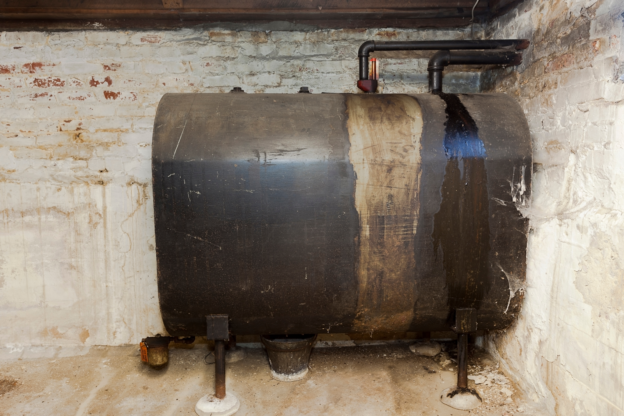
A small amount of surface rust isn’t always cause for concern, but widespread corrosion is a different story. Rust weakens the tank walls over time, increasing the likelihood of leaks.
Pay close attention to bubbling paint, deep pitting, or rust around seams and fittings. These areas are often the first places where structural failure begins.
Leaks or Oil Stains Around the Tank
Oil stains beneath your tank or a persistent heating oil odor are signs that should never be ignored. Even a slow leak can contaminate surrounding soil, damage your property, and require costly cleanup.
If you notice any evidence of leaking oil, schedule an inspection immediately to determine whether replacement is necessary.
Your Tank Is More Than 20 Years Old
Age alone doesn’t automatically mean your tank needs replacing, but older tanks are more susceptible to corrosion and hidden structural damage.
If your tank is more than two decades old, it’s a good idea to have it professionally evaluated, even if it appears to be functioning normally.
Frequent Repairs or Heating Problems
If you’re replacing filters, repairing fuel lines, or calling for heating service on a regular basis, your oil tank could be contributing to the problem.
Recurring issues often indicate internal corrosion, sludge buildup, or deteriorating components. Rather than continuing to invest in repairs, replacing the tank may provide a safer and more cost-effective long-term solution.
Your Tank Fails an Inspection
Routine inspections evaluate the overall condition of your tank, including corrosion, structural integrity, and signs of leakage. If an inspection reveals significant deterioration or safety concerns, replacement is often the recommended course of action.
Replacing the tank before it fails completely helps prevent unexpected heating interruptions and reduces the risk of environmental damage.
How to Tell If Your Oil Tank Needs Replacing
If you’re still wondering how to tell if your oil tank needs replacing, the best approach is to combine regular visual inspections with professional evaluations.
Watch for changes such as rust, oil odors, visible leaks, unstable tank legs, or recurring heating problems. Even if your tank seems to be operating normally, scheduling periodic inspections provides peace of mind and allows potential issues to be addressed before they become emergencies.
A qualified technician can evaluate the condition of your tank and recommend whether repairs are appropriate or if replacement is the safest option.
Repair or Replace Your Oil Tank?
Not every oil tank problem requires a replacement. Minor issues, such as replacing fittings or addressing small maintenance concerns, can often be repaired.
However, replacement is typically the better investment when:
- The tank has extensive corrosion: Structural deterioration increases the risk of leaks.
- Repairs are becoming frequent: Ongoing service costs can quickly exceed the value of the tank.
- The tank has reached the end of its expected lifespan: Older tanks are more likely to fail without warning.
- An inspection identifies significant safety concerns: Replacement provides long-term protection for your home.
If you plan to continue heating with oil, Superior Tank & Energy offers professional oil tank installation using modern, reliable storage systems. If you no longer need the tank or are removing an abandoned system, our oil tank removal services provide a safe, environmentally responsible solution.
What Is the Cost of Replacing an Oil Tank?
The cost of replacing oil tank systems varies depending on several factors. Every property is different, so the best way to receive an accurate estimate is through a professional evaluation.
Factors that influence replacement costs include:
- Tank type: Above-ground and underground tanks have different installation requirements.
- Tank size: Larger tanks generally require more materials and labor.
- Accessibility: Limited access to the installation area can increase labor requirements.
- Environmental conditions: If contamination is discovered, additional remediation may be necessary.
- Permitting requirements: Local regulations may require permits or inspections before installation.
If the upfront investment is a concern, Superior Tank & Energy offers flexible financing options to help make replacement more affordable. Learn more about financing your oil tank project and explore payment options that fit your budget.
Protect Your Home With Professional Oil Tank Replacement
Waiting until your oil tank fails can lead to expensive repairs, heating interruptions, and environmental hazards. Replacing an aging tank before problems occur protects your home, improves system reliability, and gives you peace of mind.
Whether you need a new oil tank installation or professional oil tank removal, Superior Tank & Energy has the experience and expertise to complete the job safely and efficiently.
Contact our team today to schedule an inspection and find out whether it’s time to replace your oil tank.
Frequently Asked Questions
How often do oil tanks need to be replaced?
Most residential oil tanks last between 15 and 30 years, depending on their location, material, and maintenance history. Regular inspections can help determine when replacement is recommended.
Do you need a permit to replace an oil tank?
Permit requirements vary by municipality and the type of tank being installed or removed. A professional contractor can determine which permits are required and ensure the project complies with local regulations.
Does home insurance cover oil tank replacement?
Coverage depends on your insurance policy and the reason for replacement. Routine replacement due to age is often not covered, while sudden damage may be covered under certain policies. It’s best to review your policy or speak with your insurance provider for specific details.




Recent Comments