FREE Estimate!  (267) 329-3079   Proudly Serving PA, NJ, DE & MD

Schedule Now

Apr

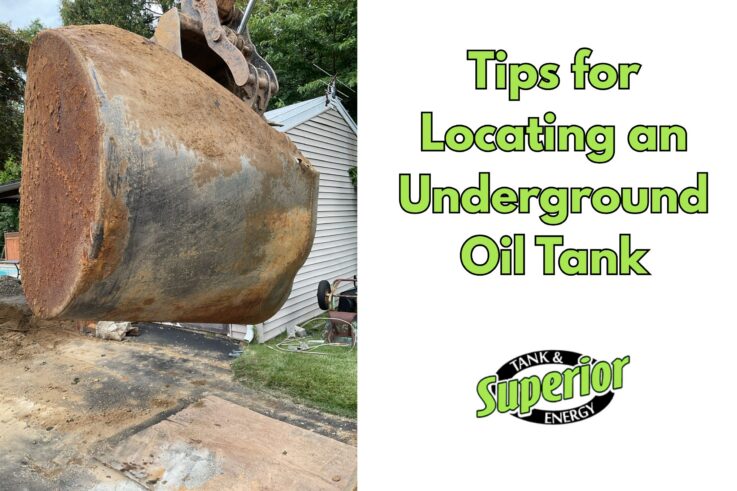
Tips for Locating an Underground Oil Tank

Tips for Locating an Underground Oil Tank

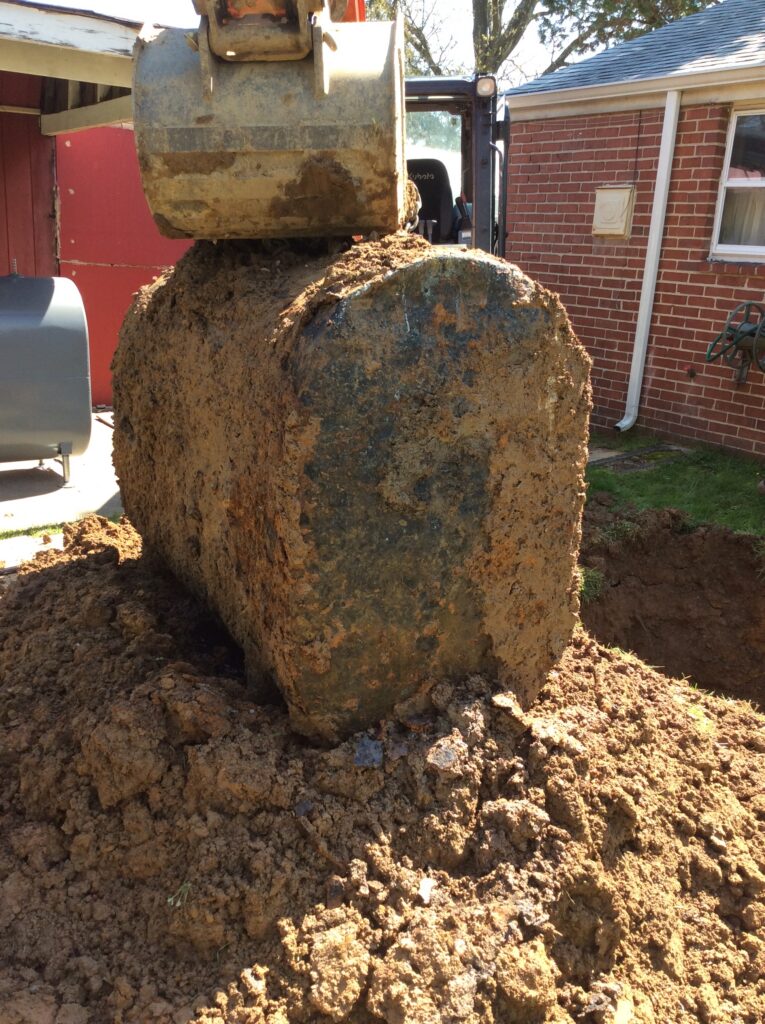
Are you shopping for a new place to call home or about to begin serious renovations on your property? If the building in question uses oil heat now or has ever used it in the past, there is a chance of a buried oil tank on property that isn’t immediately visible. Identifying the oil tank’s location early is critical, as buried fuel oil tanks may not seem like a big issue, but they can become serious hazards as they age and corrode.

Leaking oil from these old steel tanks can contaminate your water supply, seep through your basement walls and floor, and harm local wildlife. In some cases, fines for oil spills can reach tens or even hundreds of thousands of dollars.

Before signing on the dotted line or starting construction, it’s critical to determine whether an underground oil tank is present. If you notice signs of an underground oil tank, use the steps below to confirm the oil tank’s location and take action early to avoid long-term risks.

Cross-Reference Your Information

The first place to check for a buried oil tank isn’t in your yard—it’s in your paperwork. Review any documents you received when purchasing the property. If you see references to oil heat, treat it as a potential indicator that a tank may be present.

Don’t rely solely on the seller’s word. While many states have strict regulations regarding underground tanks, some sellers may not have complete information. Check your township’s municipal records, which are often publicly accessible, and ask direct questions. You can also search the Environmental Protection Agency’s UST Finder database, along with private databases that track underground oil tanks.

Check Oil Company Records

If a property has used oil heat, there is a strong likelihood that delivery or service records exist. These records can provide clues about whether oil was delivered to an underground tank.

Look for documentation of fuel deliveries, service calls, or repairs. While some deliveries may have been for aboveground tanks, others may indicate a buried tank that is no longer visible. If you suspect an issue or notice inconsistencies, it may be time to explore emergency oil tank services to assess the situation.

Look for Signs of an Underground Oil Tank

There are several visible indicators that may point to the presence of a buried oil tank. Keep an eye out for the following signs of an underground heating oil tank:

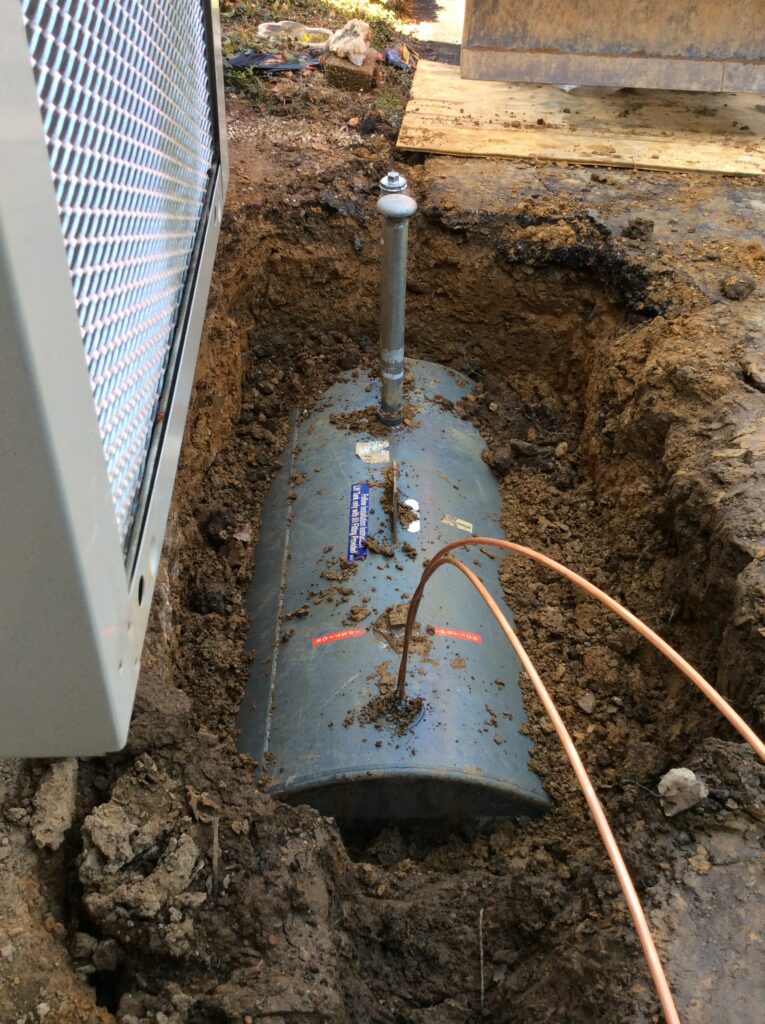
  • Visible vent pipe: A vent pipe is typically 1–2 inches in diameter, made of galvanized metal, and often capped with a mushroom-shaped cover. Its presence near the foundation or yard is a strong indicator of a buried tank.
  • Oil fill pipes: These pipes were used to fill the tank and may still be visible near the foundation or curb. In some cases, they may be hidden, cut, or concealed by landscaping or debris.
  • Sunken or disturbed ground: Areas of soil that appear slightly depressed, patched, or different in color or texture from the surrounding yard can indicate a buried tank or past excavation.

Less Obvious Signs of a Buried Oil Tank

In addition to obvious indicators, there are smaller clues that may suggest a buried underground storage tank on the property:

  • Copper wiring: Bundled copper wiring near the furnace may indicate oil heat usage. Even if an aboveground tank is present, this could suggest a previous underground system.
  • Oil stains: Stains in the basement, especially near the floor or foundation, may signal a leaking tank. If you notice discoloration or unusual odors, contact a professional immediately.
  • Old oil lines or fittings: Abandoned or capped oil lines entering the basement wall or floor can indicate a previous connection to a buried tank, even if the tank itself is no longer visible.

What To Do If You Find an Underground Oil Tank

If you locate or strongly suspect a buried oil tank, do not attempt to handle it yourself. Instead, take the following steps:

  • Avoid disturbing the area: Digging or cutting into the tank can create safety hazards and worsen contamination.
  • Schedule a professional inspection: A licensed contractor can determine whether the tank is active, abandoned, or leaking.
  • Plan your next steps: Most situations will require removal or proper decommissioning. Learn more about your options with professional oil tank removal services.

What Happens If You Ignore a Buried Oil Tank?

Ignoring a buried oil tank can lead to serious long-term consequences. Over time, steel tanks corrode and develop leaks, even if they appear intact from the outside.

This can result in:

  • Soil and groundwater contamination
  • Increased cleanup costs if the issue worsens
  • Insurance complications or denied claims
  • Potential fines and regulatory penalties

Consequences of Undetected Oil Tanks

An undiscovered oil tank can create significant challenges, especially during a real estate transaction. Many buyers, lenders, and inspectors will require confirmation that no tank is present—or that it has been properly removed.

Potential consequences include:

If you’re planning to sell your home, removing the tank before you sell is often the best option.

Should You Remove or Abandon an Underground Oil Tank?

Once a tank is identified, the next decision is whether to remove or abandon it in place.

  • Removal: This is the most common and recommended option. It eliminates long-term risk and provides documentation that the tank has been properly handled.
  • Abandonment: In some limited cases, tanks may be filled in place. However, this still requires cleaning, soil testing, and regulatory approval.

Because regulations vary across Pennsylvania and New Jersey, it’s important to work with a qualified contractor to determine the best approach.

When To Call for Emergency Oil Tank Services

Certain warning signs require immediate attention. Contact a professional right away if you notice:

  • Strong oil odors in your home or yard
  • Visible leaks or staining
  • Dead vegetation in a specific area of your property

A fast response can minimize damage and reduce remediation costs.

Need Help Locating or Removing an Underground Oil Tank?

If you suspect your property has an underground or buried oil tank, don’t wait until it becomes a bigger issue. Superior Tank & Energy specializes in locating, inspecting, and safely removing buried tanks throughout Pennsylvania and New Jersey, including Bucks County, Montgomery County, Burlington County, Camden County, and beyond.

Our team handles every step of the tank sweep process, from identification to full oil tank removal, ensuring your property is safe, compliant, and ready for the future.

Contact Superior Tank & Energy today to schedule an inspection and get expert guidance on your next steps.
Frequently Asked Questions

How can I tell if I have an underground oil tank?

Common signs include vent pipes, fill pipes, oil stains, and records indicating oil deliveries. A professional tank sweep is the most reliable way to confirm.

Is it dangerous to leave a buried oil tank in place?

Yes. Over time, tanks can corrode and leak, leading to environmental damage, costly cleanup, and potential legal issues.

Do I need to remove an oil tank before selling my home?

In many cases, yes. Buyers and lenders often require documentation that the tank has been removed or properly decommissioned.

How much does it cost to remove an underground oil tank?

Costs vary depending on tank size, location, and soil conditions, but most residential removals fall within a standard range. A site visit is required for an accurate estimate.